Encouraging Seniors to Adopt Physical Activity Through Evidence-Based Exercise Guidelines
Wiki Article
Keeping active is crucial for people of every age group, but it grows especially significant as individuals grow older. For older adults, routine movement assists in preserving independence, improves movement, and enhances quality of life. Detailed exercise guidelines offer aging individuals with organized approaches to wellness that address balance, range of motion, power, and endurance. By following well-designed workout recommendations, elders can improve their daily function while lowering the risks of accidents, chronic diseases, and mental health challenges.
Exercise for aging individuals is not restricted to demanding routines or intense gym workouts. It concentrates instead on low-impact, gradual, and maintainable physical engagement that suits individual fitness conditions. Exercises such as brisk walking, stretching, gentle yoga, and bodyweight exercises help maintaining limberness and strength. Cardiovascular exercises like aqua aerobics or stationary cycling boost heart health, which are key for sustaining daily energy and vitality. These physical practices also support cognitive wellness, as findings have shown that routine fitness can enhance mental clarity, emotional well-being, and mental performance.
Comprehensive training plans highlight a well-rounded approach to fitness, view it now covering physical, emotional, and interpersonal dimensions of health. Seniors are guided to begin slowly and move forward at a manageable speed, ensuring injury prevention while avoiding strain. Adding mobility sessions reduces muscle soreness, while proper fluid intake and meal balance complement exercise routines. Additionally, community-based programs—such as group fitness classes or fitness meetups—offer avenues for peer support, motivation, and mental connection, which are crucial to complete fitness.
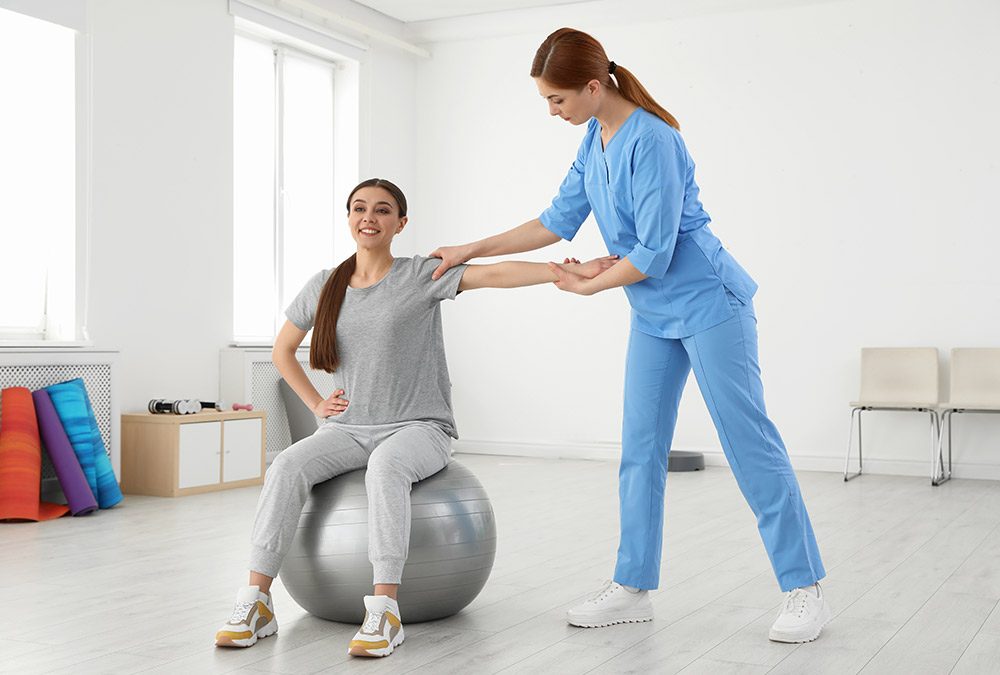
Professional guidance serves a key function in supporting older adults design tailored training schedules. Consulting physicians, mobility experts, or qualified instructors verifies that routines are tailored to individual needs, endurance, and targets. These specialists can recommend effective exercise formats that consider factors such as joint conditions, bone fragility, or aerobic restrictions. Through regular assessment and adjustment, fitness routines stay productive and rewarding, supporting long-term engagement and progress.
Ultimately, motivating seniors to embrace exercise through inclusive fitness look at this now frameworks builds a community of healthy living. When participants are supplied with knowledge, motivation, and structured support, they gain trust in their mobility and experience greater independence. Consistent movement boosts not only muscle capacity but also focus and emotional resilience. By promoting accessible, expert-led training systems, organizations can enable that every senior has the chance to enjoy a active, vibrant, and fulfilling life.